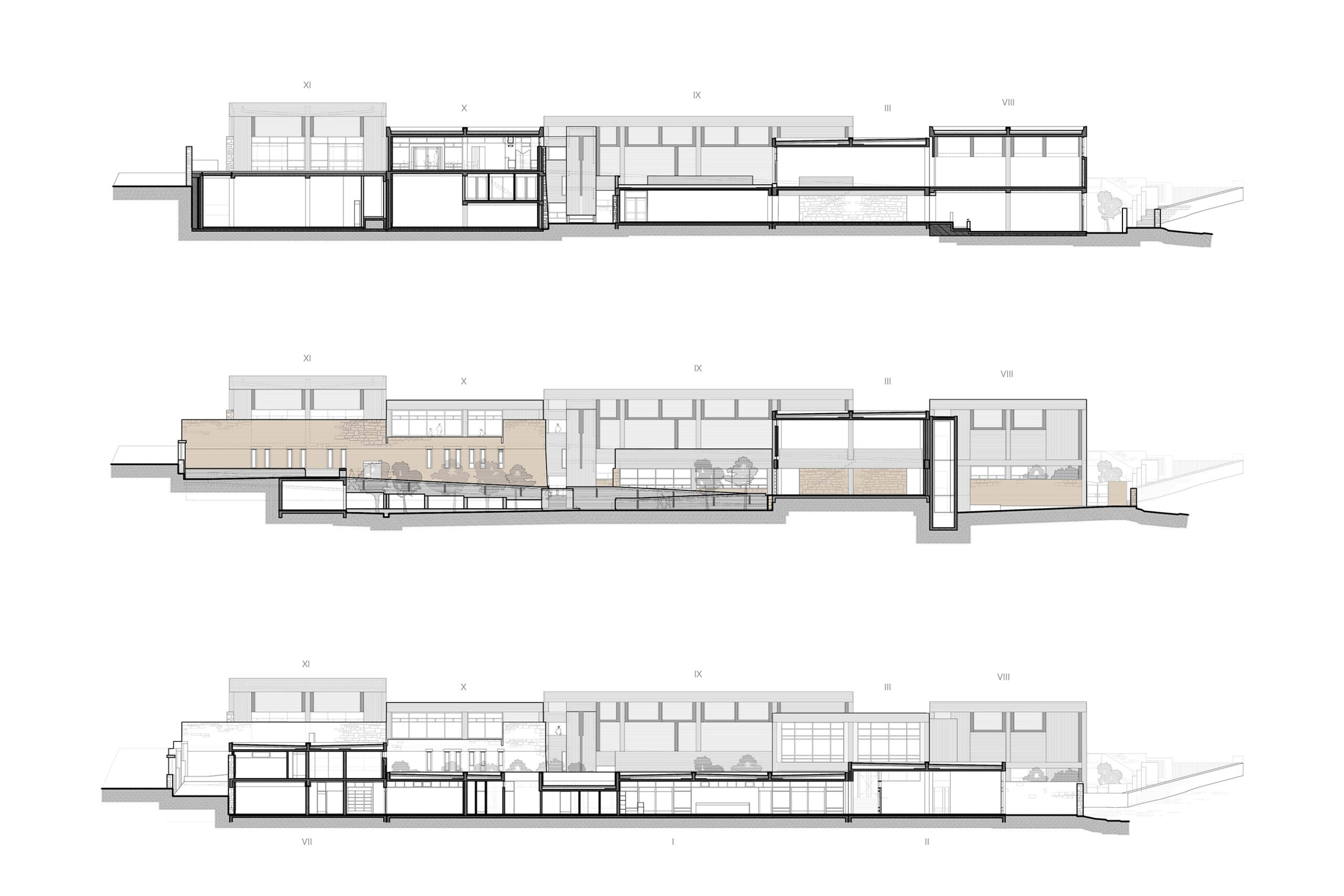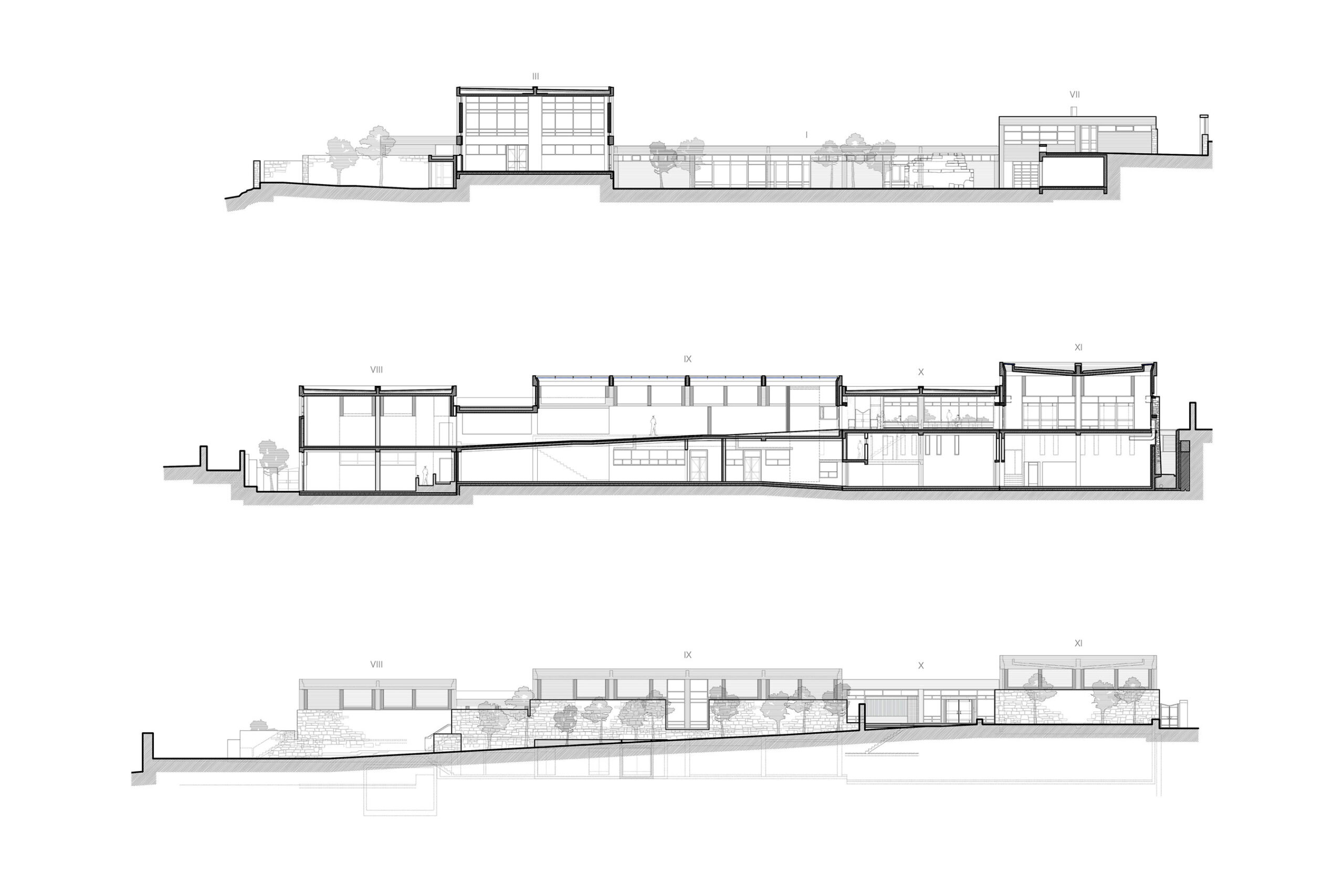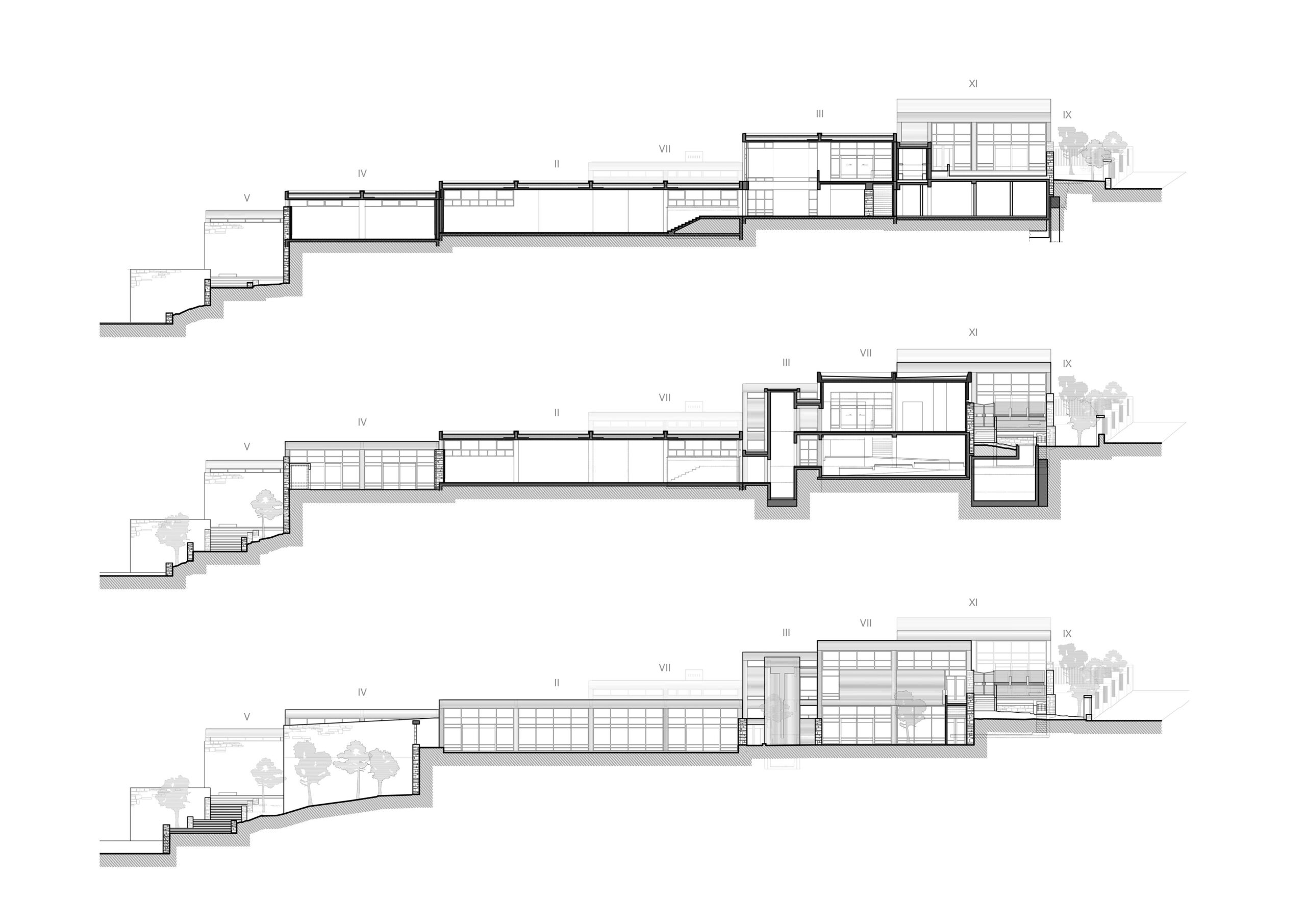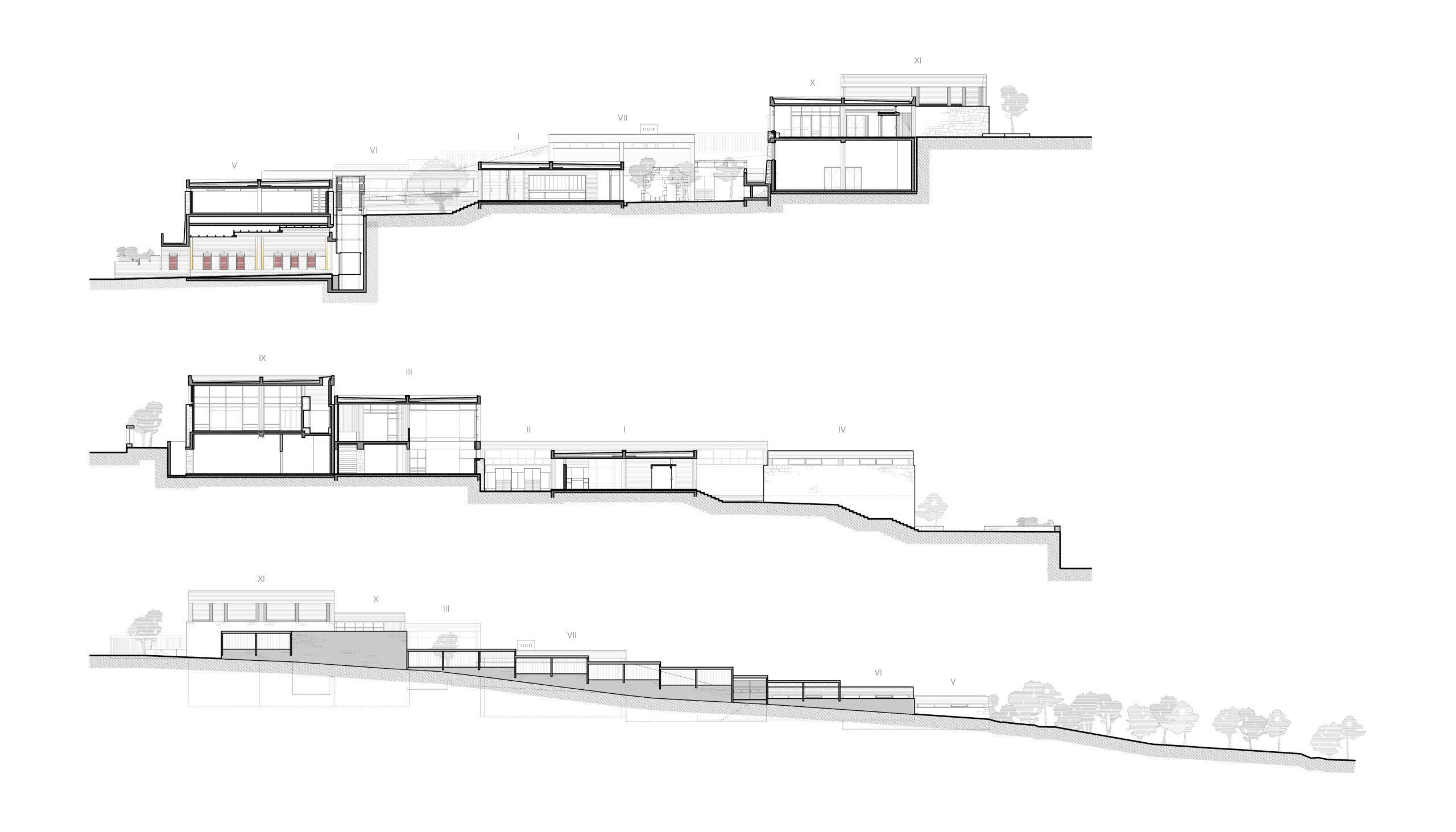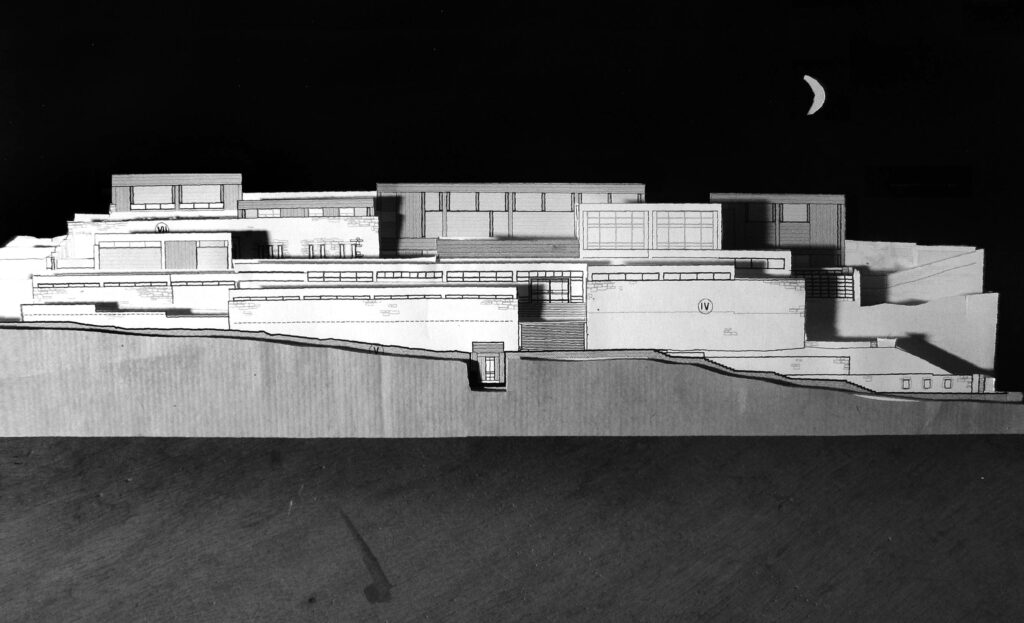
EXTENSION, RESTORATION, AND MODERNIZATION OF THE ARCHAEOLOGICAL MUSEUM OF CHIOS
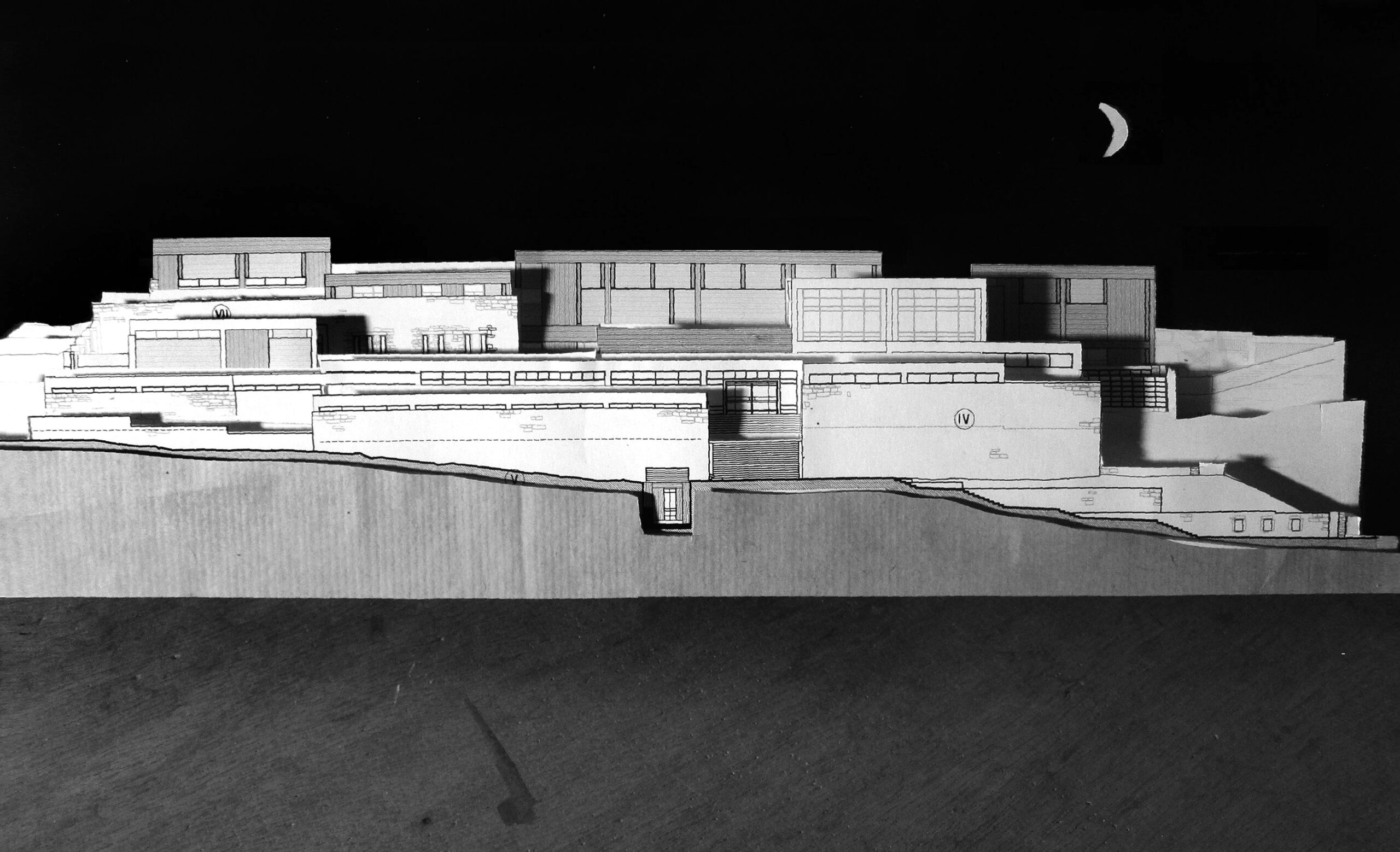
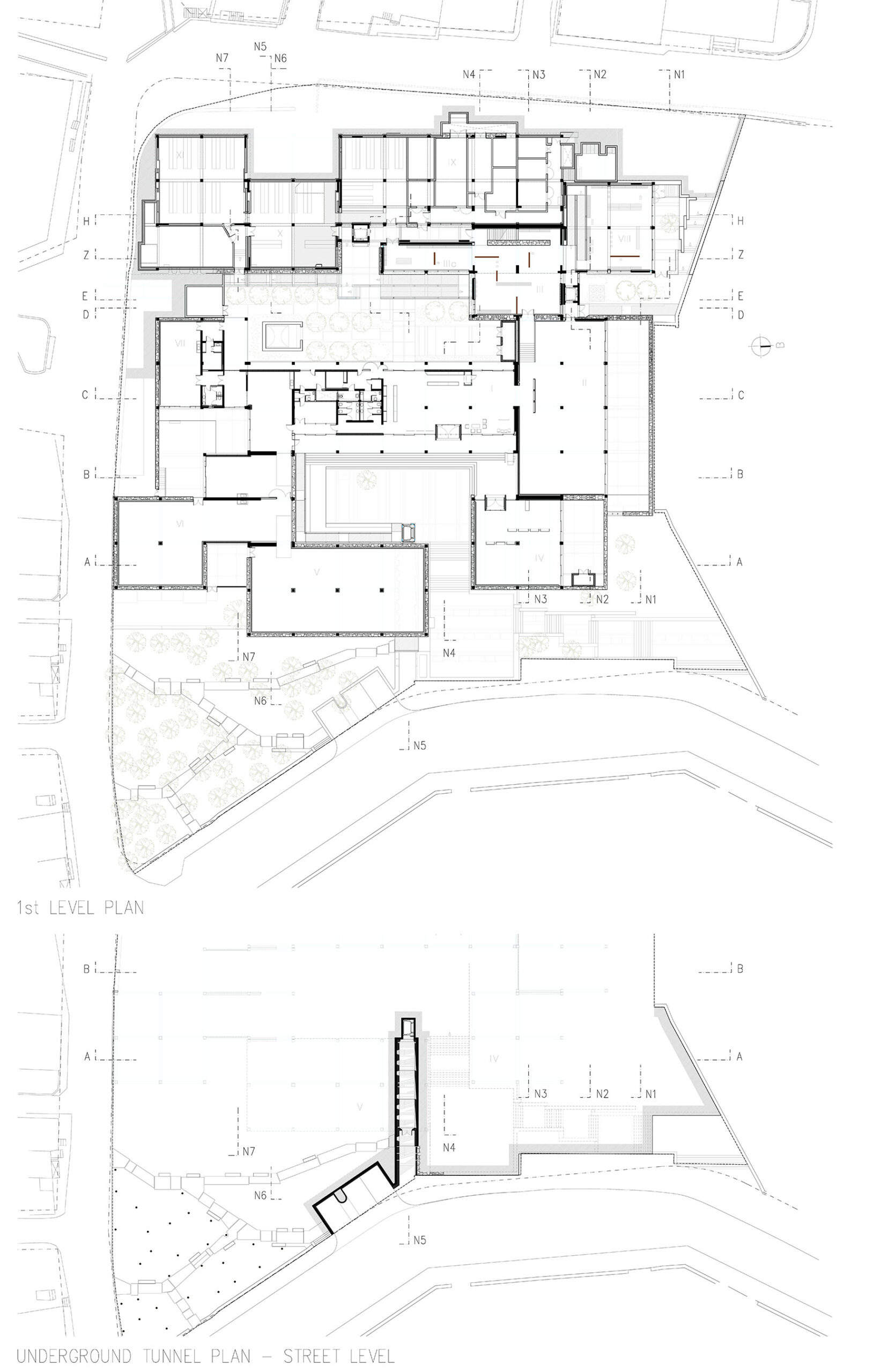
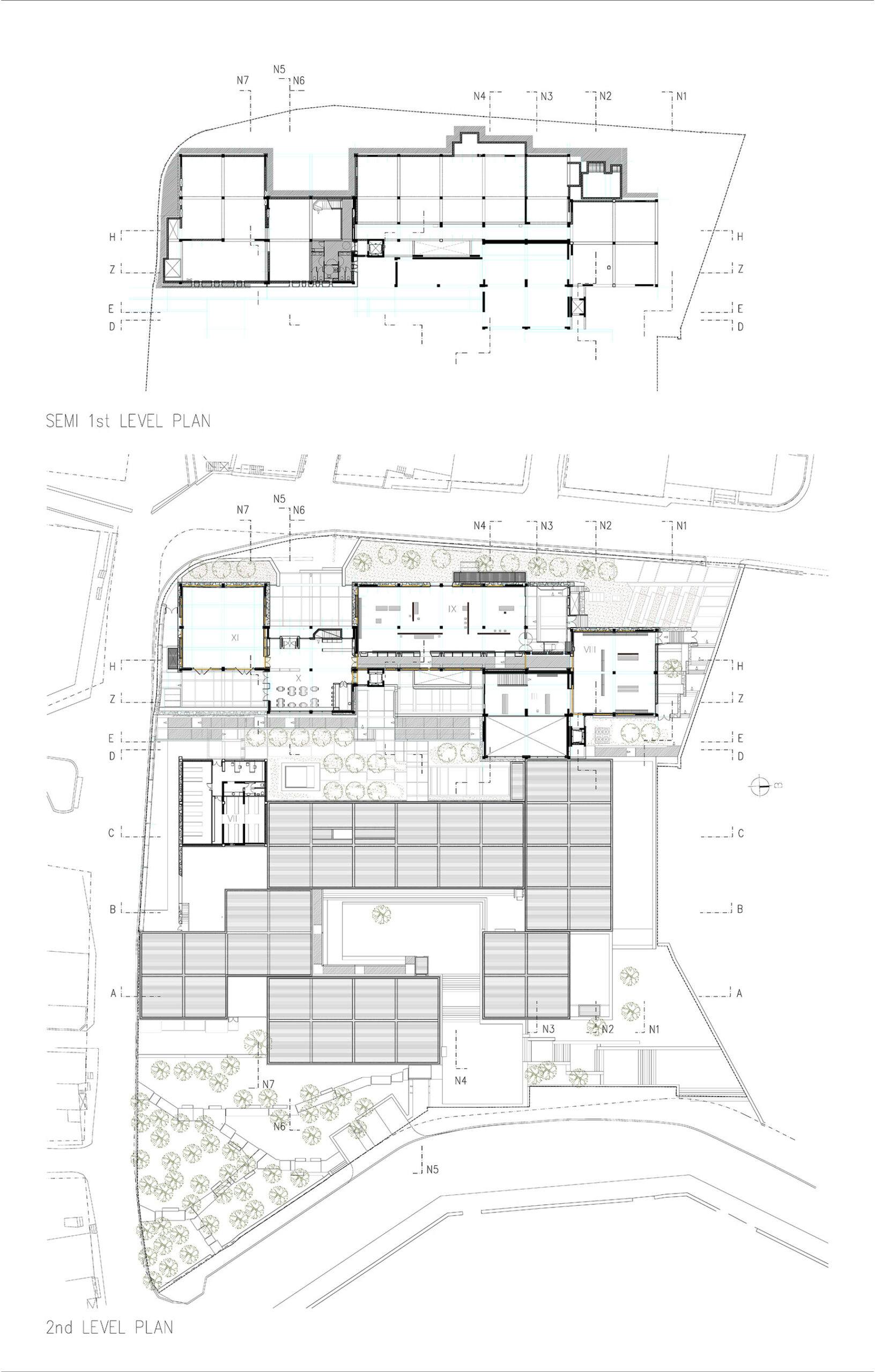
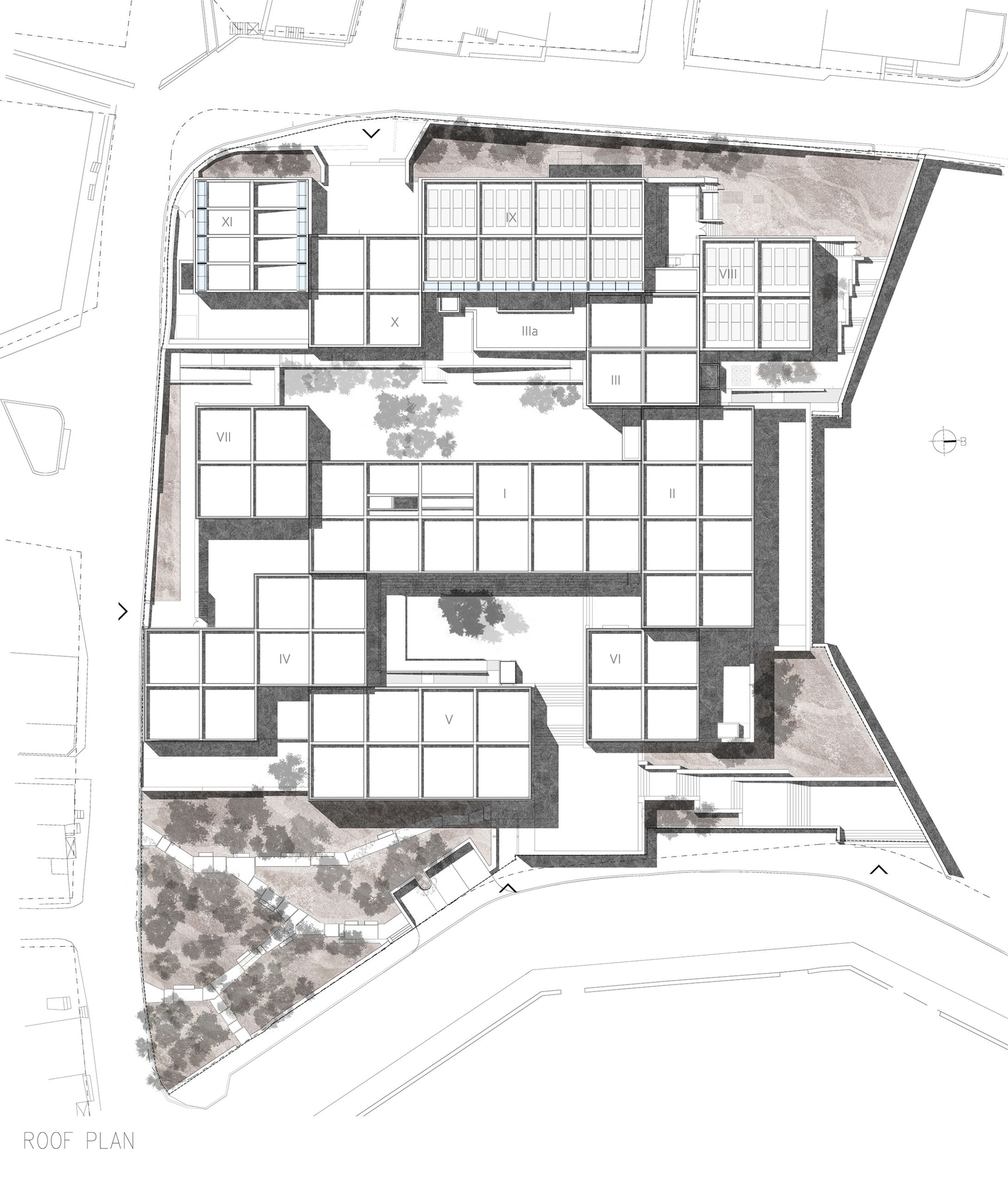
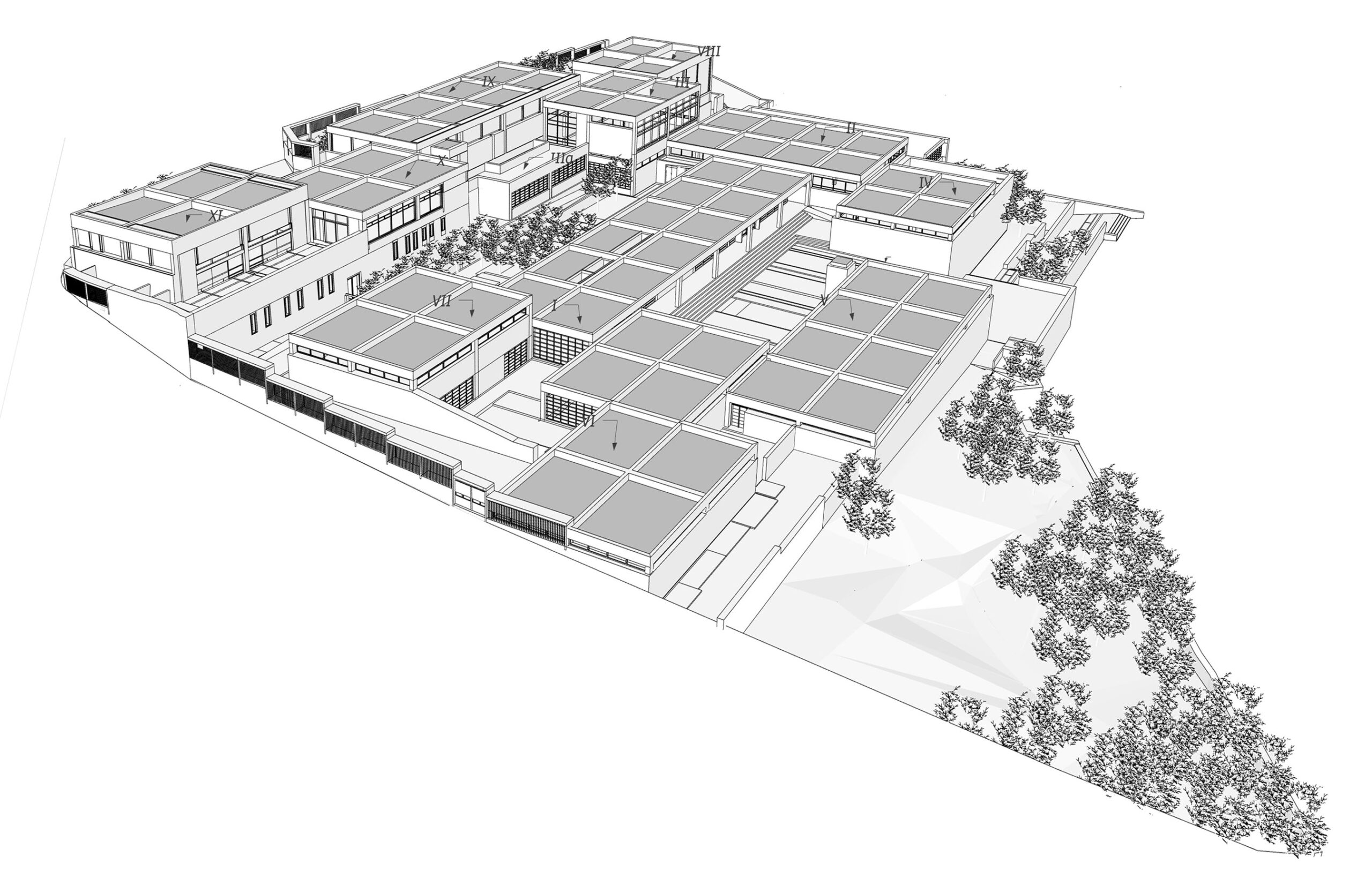
The Archaeological Museum of Chios originally designed in 1964–65, was conceived through a rigorous modular system based on a 14 × 14 m module, subdivided into 7 × 7 m units. This structural and spatial framework generated a flexible, expandable open-form composition that adapted to the natural terrain and established a dialogue with the island’s scale and urban fabric. At its heart, a raised reception plaza organized visitor circulation, linking alternating enclosed galleries and open-air courtyards shaped by stone walls, exposed concrete canopies, and carefully articulated thresholds.
Over the decades, successive interventions (1995–97) altered fundamental architectural principles of the complex: courtyards were roofed over, natural lighting was obstructed, exposed concrete was painted, and interior spaces were rearranged, creating operational challenges and energy inefficiencies. In 2016, a new effort began to restore the museum’s original qualities while addressing contemporary functional and regulatory requirements.
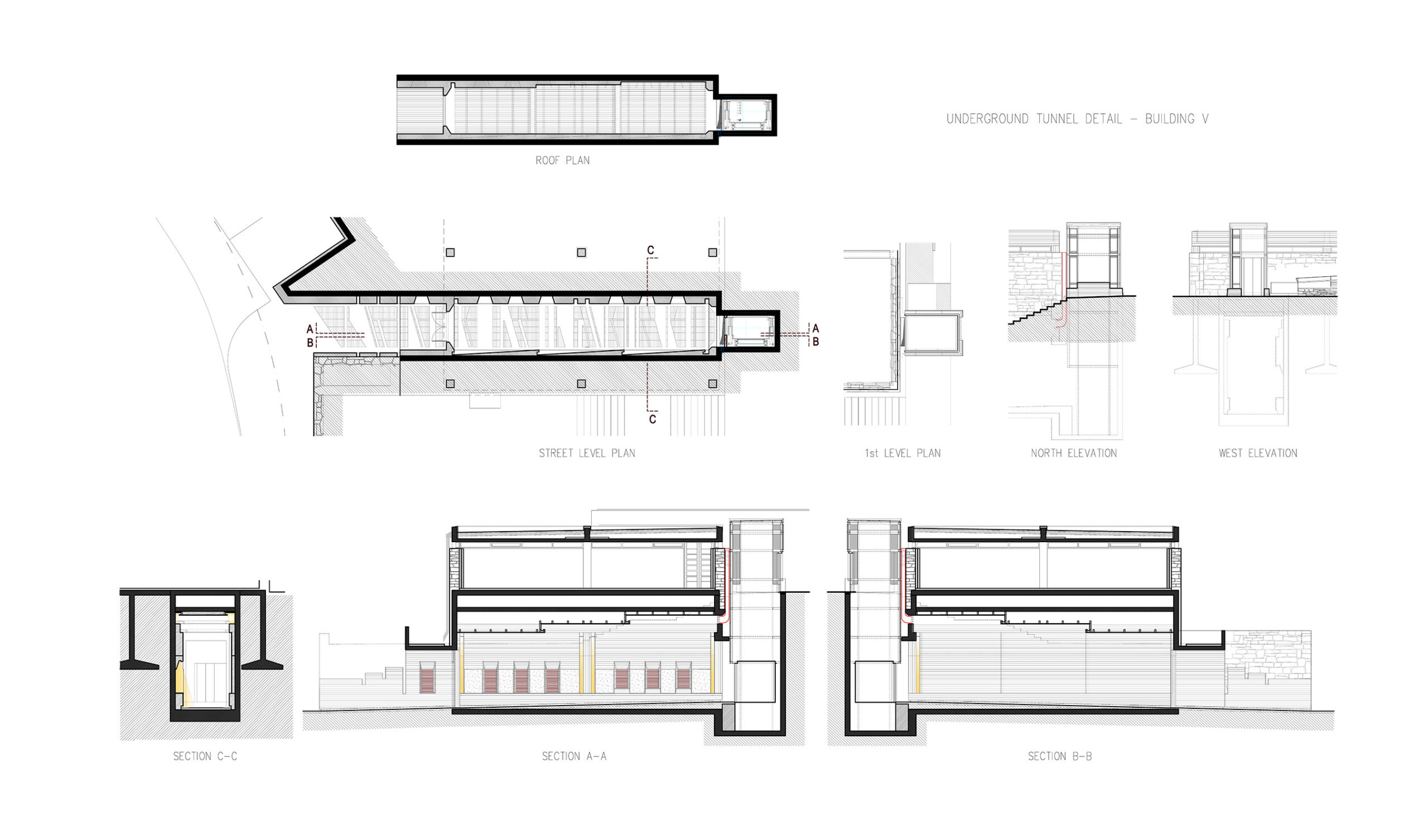
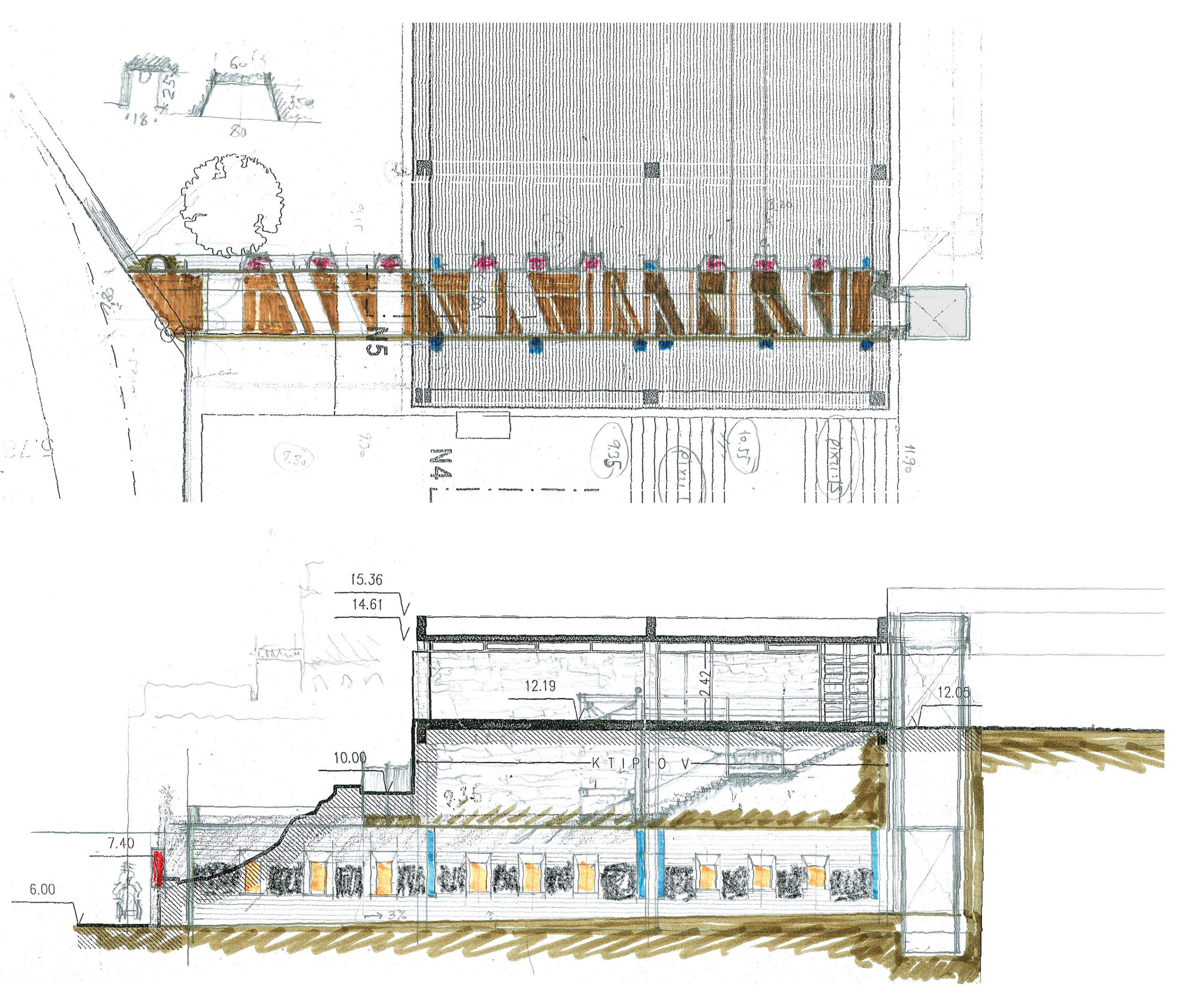
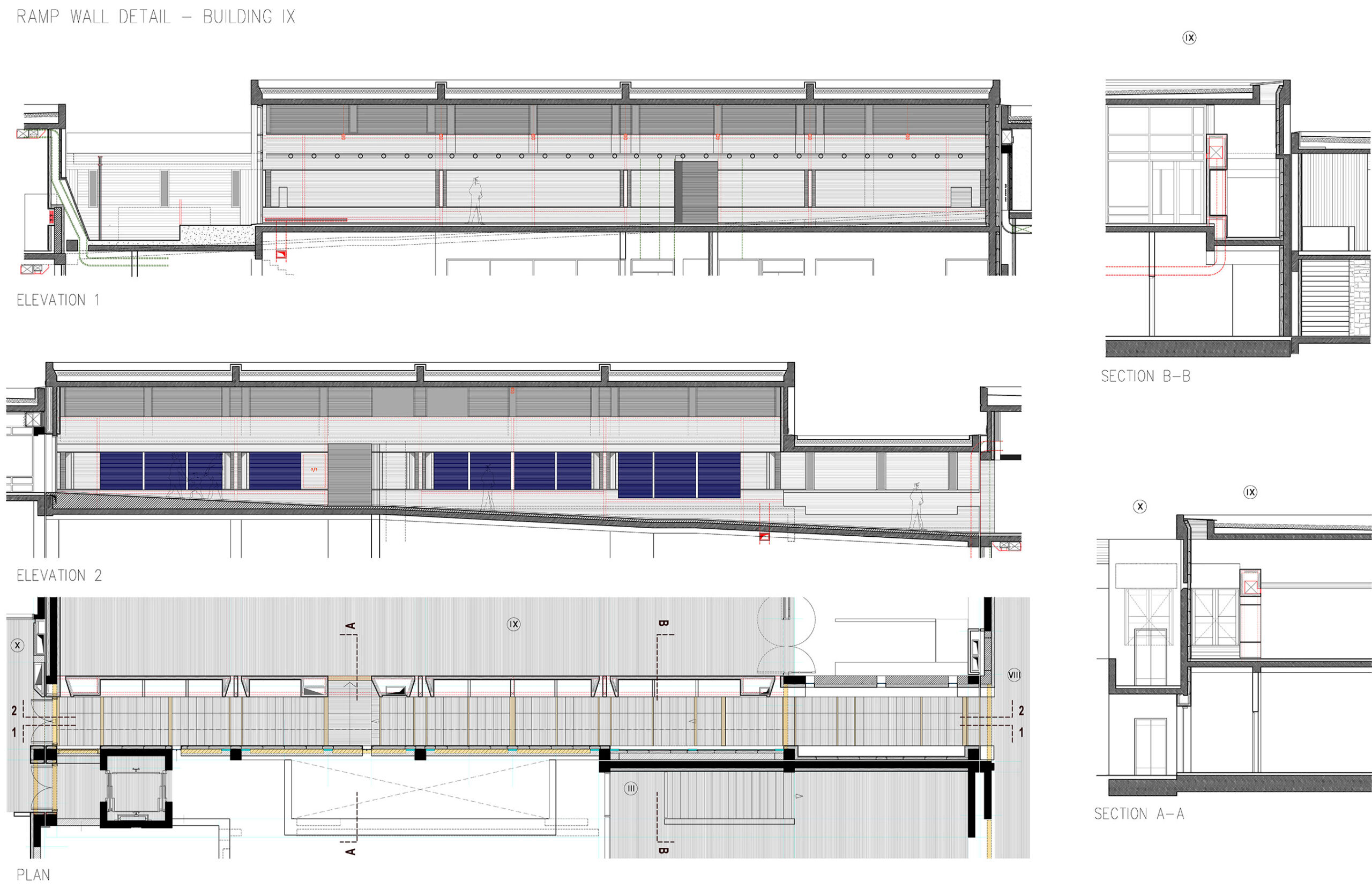
The recent revitalization and expansion project, commissioned by the Ministry of Culture in 2021, aimed to restore the building to its initial architectural form, upgrade its electromechanical systems, ensure seismic resilience, and comply with modern accessibility standards. Preservation of the original structural grid and spatial proportions guided all decisions. New ramps, inclined walkways, and an underground tunnel from the street level, were introduced to create unified visitor circulation for visitors and people with disabilities. Mechanical installations were integrated visibly along the exposed concrete ceilings to maintain the intended visual continuity between interior and exterior space.
The extension of the museum follows the geometry, materiality, and architectural ethos of the original composition—stone, exposed concrete, and wood—forming sculptural facades of alternating depths, light, and shadow.
The study lasted from 2021 to 2023, while construction began in 2024.
Atelier66: Dimitris Antonakakis, Xenia Tsioni, Konstantina Gougoula
Also collaborated the architects: S. Antonakakis, Ch. Galifianaki, A. Angelopoulou, Ch. Foteinopoulou, R. Verou